Showing posts with label Marketing. Show all posts

Wednesday, 1 September 2021

How to Improve Organizational Skills at Work

When you're working at a new job or trying to get a promotion, you need to be organized. While you might list organizational skills on your resume, putting that skill into action is a little harder.

Having organizational skills means that you can meet deadlines and be efficient in your workflow management. In fact, organizational skills can be synonymous with energy and time management in most cases.

All of these skills are very important in the workplace and potential employers want to make sure you can stay on top of things.

In this post, we'll dive deep into what organizational skills are, specific examples of what they look like in action, and how to develop organizational skills in the workplace.

→ Click here to download leadership lessons from HubSpot founder, Dharmesh Shah [Free Guide].

Organizational skills are about building structure, boosting productivity, and prioritizing the right tasks at the right time.

The antithesis of organizational skills is procrastination, clutter, inefficiency, and miscommunication.

Organizational skills mean you're able to keep yourself calm while coming up with a scheduled plan. Many people with good organizational skills break up projects into smaller goals so they are easier to accomplish.

Importance of Organizational Skills

Organizational skills are important because they'll help you get tasks done on time. These types of skills are important in the workplace because managers will see that you can handle your tasks, and have autonomy over your own projects. This will help you get promotions and references if you apply to new jobs in the future.

If you don't have a plan in place for how you're going to accomplish something, it will be much harder for you to finish. You'll need to be able to anticipate how long a task will take, what resources you'll need to complete that task, and have the discipline to block out the necessary time to finish it.

Organizational Skills on a Resume

When you're listing organizational skills on your resume, you might consider breaking it down into more specific sets of skills. Let's dive into the examples below.

Organizational Skills Example

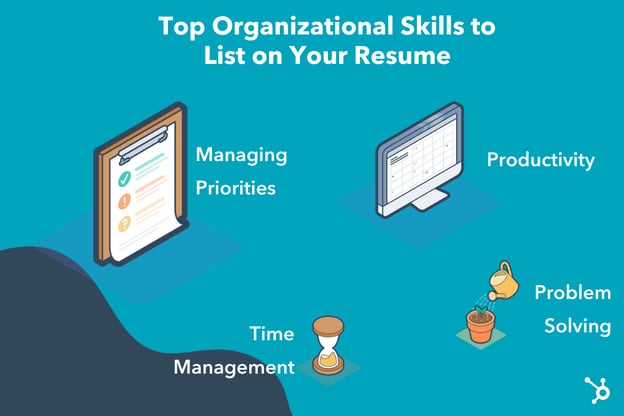
The best organizational skills to list on your resume include:

  • Communication
  • Time management
  • Delegation
  • Attention to detail
  • Decision making
  • Strategic planning
  • Goal setting
  • Creative thinking
  • Problem-solving
  • Productivity
  • Managing priorities
  • Teamwork/collaboration
  • Deadlines
  • Scheduling
  • Conflict management
  • Office management

Organizational skills for your resume

1. Own your calendar.

The best way to develop organizational skills is to truly own your calendar. Block off time where you need to get work done. Then, create a schedule for yourself that is realistic to stick to. It's hard to stay organized when you have random meetings popping up on your calendar.

Additionally, it's important to know how you work best. For example, I like to have meetings back-to-back because it's hard for me to get work done in 30-minute increments between meetings. I want all my meetings at the same time, so I can block working time and then meeting time.

2. Make lists.

When you have a lot on your to-do list, you can make separate lists for what needs to get done and when. I usually have a running to-do list where I'll add everything I need to do for the week. Then, I'll break that down into daily to-do lists. You can organize your lists by tasks, meetings, reminders, etc.

3. Figure out what tools will help you.

Obviously, everyone works differently. That's why it's important to figure out how you work best. Do you like using a physical calendar or a digital calendar? Regardless, you'll need tools to help you stay organized. Below is a quick list of physical and digital tools to help you get started.

Physical Tools

  • Planner
  • Calendar
  • Notepad
  • Folders
  • Journals

Digital Tools

  • Google Calendar
  • Trello
  • Asana
  • Evernote
  • Teuxdeux

4. Communicate with your team.

Another way to develop organizational skills is to communicate with your team. It's important to communicate your plan of action to any necessary stakeholders. Additionally, communication will help keep you accountable.

If you're working on a project with several people, you can communicate updates on your part of the project as they occur or at the end of the day. This is a great way to keep the team organized and on task.

5. Declutter your workspace.

Lastly, to truly be organized, your workspace should be free from clutter. While not everyone likes to keep everything neat and tidy all the time, you should still only have necessary items on your desk so you don't get distracted. This will help productivity and organization overall. When you need to find a list or an item, it's important that you know where it is and it doesn't get lost.

Organizational Skills in the Workplace

Now you might be wondering, "How can I use these organizational skills in the workplace?" and "How can I highlight these skills?"

The first step is to list these skills on your resume when you're applying for jobs. You can say "organizational skills" or you can list other skills, like the ones above, to be even more specific.

If you're in a job interview, think of stories and examples of how you remained organized and how it helped you solve a problem or complete a project successfully. It's important to discuss how you scheduled your time, how you handle multiple assignments, and how you delegate tasks.

While a potential employer might not ask specific questions about organizational skills, you can highlight these stories in questions like "What are your strengths?" and "Why are you a good fit for this role?"

Once you're working for a company, you can highlight your organizational skills during projects or meetings. It's a good idea to use these skills whenever you can because it's sure to impress your boss and help you move forward in your career.

Organizational skills don't just mean that you keep to-do lists. It means you manage your time efficiently, you're productive, can solve problems, and think critically. That's why it's important to develop your organizational skills whenever you can.

New Call-to-action


from Marketing https://ift.tt/2WBC6Su
via

Data Mapping: What Is It Plus The Best Techniques and Tools

You don’t want to waste time simply guessing what a prospect or customer wants and needs from your business or how they’ll react to a certain marketing campaign or strategy that you plan to implement.

Rather, you can turn to the process of data-driven marketing to make informed decisions that are based on real data to ensure your marketing efforts are relevant to prospect and customer interests and behaviors.

Now you might be thinking about the fact that your business has a large volume of complex data that are dispersed across multiple sources — this is where data mapping comes in handy.

Download Now: 2021 State of RevOps [Free Report]

Data Mapping

Data mapping is a key part of data management and data integration. That’s because it ensures you’re looking at and considering all of your data and doing so accurately — in other words, data mapping is what allows you to integrate your data from multiple sources.

In this blog post, we’ll talk more about what data mapping is, why it’s useful, data mapping techniques, and data mapping tools.

What is data mapping?

Data mapping is the process of matching data fields or elements from a source, or sources, to their related data fields in another destination — it’s how you establish relationships between data models that are in different sources or systems. Data mapping software and tools automatically match data fields from one data source to another for you.

Data mapping allows you to organize, distill, analyze, and understand vast amounts of data that live in various locations so you can draw conclusions and insights.

Why is data mapping useful?

Here are some more reasons why data mapping is both useful and necessary:

  • Integrate, transform, and migrate data as well as create data warehouses easily.
  • Establish direct relationships between your data across multiple sources at once.
  • Ensure your data is high quality and accurate (data mapping software can automatically flag inconsistencies and data that isn’t high quality or accurate).
  • Identify real-time trends and share data reports with team members both easily and efficiently.
  • Ensure you’re getting the most out of your data and applying insights and learnings appropriately.
  • Use data mapping software to simplify (and automate much of) the process of code-free data mapping.

Data Mapping Examples

A business like Amazon may use data mapping to accurately target you. They do this by pulling insights from your browsing habits, reviews, purchase history, and time on page. They can then pull and connect that data to/with data from other sources such as demographic information.

By combining these types of data sources, Amazon has the necessary information to target you with certain products and personalize your shopping experience in a number of ways (e.g. based on challenges you may be facing, geographic location, experience level, interests, education, nationality, age, and more).

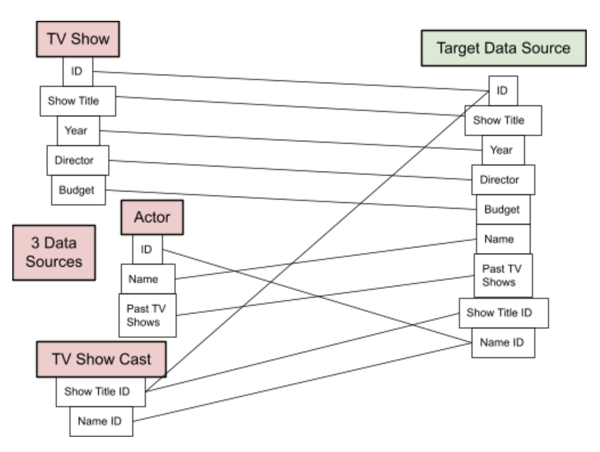
Let’s consider another data mapping example — say you work for a TV network and you’re looking to organize TV shows on the network, actors who appear on the network, and actors within a show that appears on the network. The sharing of data between the three sources may look something like this:

data mapping document

Data Mapping Techniques

Within data mapping, there are three main techniques that are used — manual mapping, semi-automated mapping, and automated mapping. Let’s talk about what each of these techniques entails.

1. Manual Data Mapping

Manual data mapping requires professional coders and data mappers — IT will code and map your data sources. Although this is a heavy lift and requires professional help, it allows you to fully control and customize your maps.

2. Semi-automated Data Mapping

Semi-automated data mapping (or schema mapping) requires some coding knowledge and means your team will be moving between both manual and automated data mapping processes (hence the name of this technique).

Data mapping software creates a connection between the data sources and then an IT professional reviews those connections and makes manual adjustments as needed.

3. Automated Data Mapping

Automated data mapping means a tool will take care of all aspects of the data mapping process for you, making it an ideal option, if you are not/ don’t have access to a coder. This type of software will typically allow for drag-and-drop mapping. You just need to learn how to use the tool (and pay for it).

Speaking of the tools that will automate the process of data mapping for you, let’s review some of your options next.

Data Mapping Tools

Data mapping tools and software make the process of data mapping —including visualizing and interpreting your data — easier. There’s no code needed, they often have a drag-and-drop user interface (UI), and you can implement them on your team no matter your level of technical experience. Many data mapping tools also have the ability to help you with other data management tasks such as data migration.

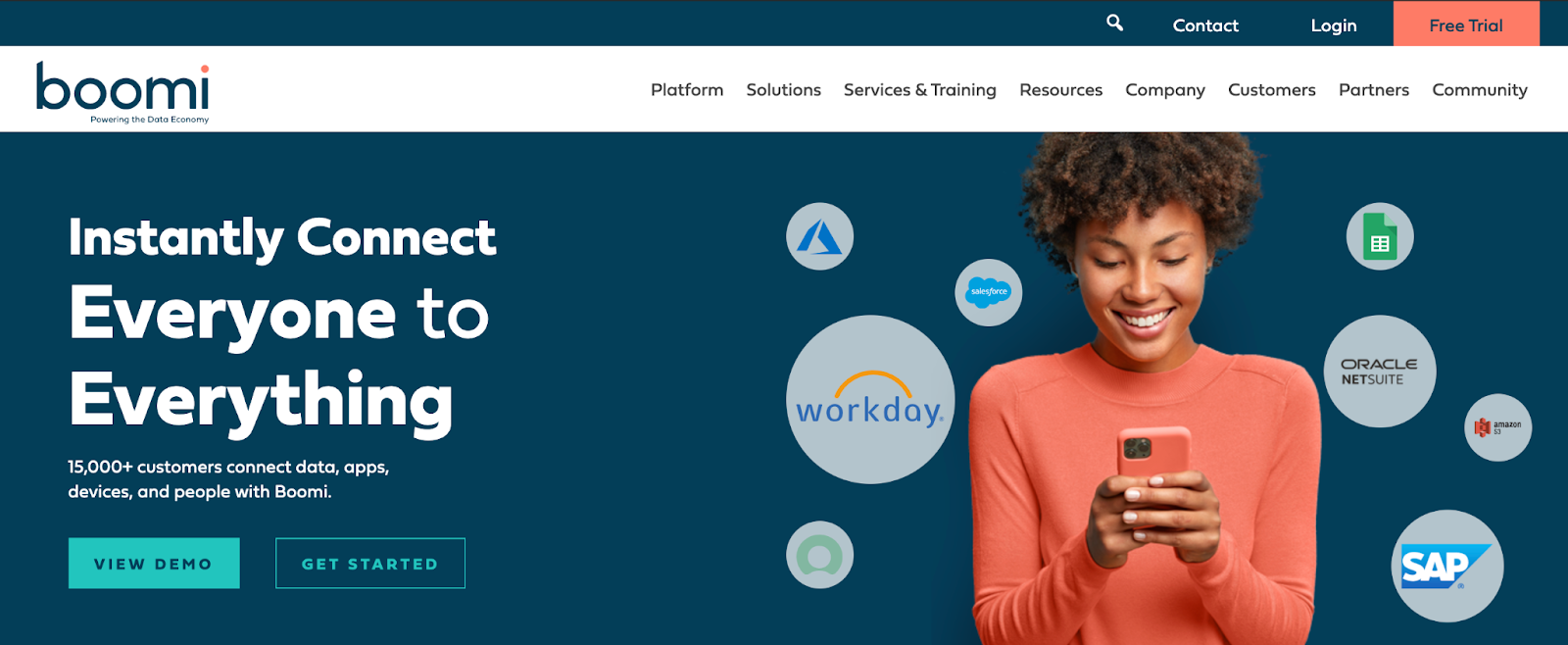
1. Bloomi

bloomi data mapping tool example

Price: Free 30-day trial; contact for a quote.

Bloomi, which is owned by Dell, is an iPaaS solution — that’s both cloud-native and scalable — that connects both cloud and on-premise data and applications. Design cloud-based integrations, which the tool refers to as Atoms. Then, you can begin transferring data between the cloud and your on-premise apps.

Bloomi’s data mapping functionality translates electronic data interchange (EDI) for you. The tool has a drag-and-drop UI that makes data mapping easy as well as a library of available connectors so you can establish integrations quickly.

2. Tableau

tableau data mapping tool example

Price: Free 30-day trial; $12-$70/ user/ mo.

Tableau is a visual analytics and business intelligence platform with data management and data mapping tools. Whether your data is in spreadsheets, Apache Hadoop, databases, the cloud, etc., the platform allows you to connect and begin visualizing your data in seconds without code.

Tableau regularly populates your most recent data (on a schedule that you can adjust). The drag-and-drop interface is easy to use and smart dashboards allow for effective data visualization. Lastly, you can easily share your data maps and dashboards with your team via mobile device for easy alignment and access.

3. Astera

astera data mapping tool example

Price: Free 14-day trial; contact for a quote.

Astera is an enterprise data management software that uses visual interfaces to convert, map, and validate data structures for you without the need for code.

You’re able to use the tool’s drag-and-drop feature to create, debug, and manage complex data integration tasks. Astera also natively connects to a variety of database providers including SQL Server, Oracle, and DB2.

To ensure your data is of the highest quality, there’s built-in data cleansing, data profiling, and data quality options — and to improve accuracy, there are built-in transformations that remove duplicate records, complete missing information, and get rid of redundant data. You’ll get flagged and receive emails if and when your data records don’t meet the high-quality data standards.

Use Data Mapping on Your Team

Data mapping has the power to ensure your marketing team and business as a whole get the most out of your data. It also helps you maintain high-quality data and automate the processes of data integration, transfer, migration, and more. Determine which technique you'll use and if you need a tool to get started with data mapping on your team.

New call-to-action


from Marketing https://ift.tt/3t3hHlr
via

Tuesday, 31 August 2021

30 Ways to Drive Traffic to Your Website

You know you're a marketer when you're sitting in traffic on the highway, it's completely bumper to bumper, and all you can think about is "Why can't I drive traffic to my website like this?"

If you've struggled with driving traffic to your website, you're not alone. According to 2020 research done by Content Marketing Institute, 63% of content professionals are challenged with finding enough staff skilled in content strategy which is one of the top drivers of website traffic.

Between writing a new blog post, posting on social media, and strategizing for a new email campaign, it's hard to look back and see what's driving traffic to your site and what isn't.

The list below will help you increase the traffic to your website, generate more leads, and improve ROI.

Get free tools to grow your traffic, convert leads, and prove ROI

1. Content Creation

Inbound marketing focuses on attracting the right people to your company. One of the best ways to do this is by creating content through blogging.

To come up with content that will attract the right visitors to your website, you must first understand the buyer persona you’re targeting. Once you know your audience, you can create content that will naturally attract them to your website.

But how do you write a good blog post that will draw in the right audience? Follow these five steps:

  • Identify your buyer persona: Find out more about your target market. Understand everything from job title to pain points.
  • Conduct SEO research: Learn what your audience is searching for on search engines so you can provide the best content.
  • Write a draft: Begin by drafting a post that answers your audience's questions. Use interesting angles to make your post stand out.
  • Publish: Publish your post on your blog site. Use SEO tools to optimize your content.
  • Promote: Promote your blog post on social media and email newsletters to generate traffic. The more traffic your post generates, the higher it will rank in search engines.

Pro Tip: You can learn more about how to implement a blogging strategy here.

2. Topic Expertise

Ranking higher in Google will increase the organic traffic to your site. At HubSpot, we do this by using the pillar/ topic cluster model. Google favors sites that are known to be topic experts on the subject matter they're writing about.

To be seen as an expert, you can create a pillar page, which is essentially a longer blog post that broadly covers all aspects of a topic. Then, you write "cluster content," or supporting blog posts, targeting long tail keywords that show you've covered a topic exhaustively. Focusing on long-term traffic will help you rank higher on search engines

Christina Perricone, a senior blog manager here at HubSpot, says, "The pillar cluster model organizes content on your site around a single topic and search term through internal linking. This organization helps search engines easily crawl and categorize all of the content that you have on a particular topic, thereby making it easier for you to rank for that search term. When the model is done right, it also helps visitors navigate your site and move through related pages, boosting traffic for all of the pages in your topic cluster."

3. Organic Social Media

Organic social media is not a new strategy, but it's still something marketers should pay attention to. Besides posting on social media platforms, you can also use Instagram Stories (hello, swipe up feature!), live video, IGTV, or Facebook Messenger. The key with organic social media is to be an early adopter of new features.

For instance, Facebook released an automated lead generation feature on Messenger, allowing businesses to create an automated chatbot experience within Messenger to link to content offers on your site. This is a great feature for sending traffic to your website.

It's also important to have a diverse social media strategy and use the right social media platforms — not just Facebook, Instagram, and Twitter. Platforms like YouTube or Pinterest can generate a lot of traffic to your site.

Henry Franco, a brand marketing associate at HubSpot, recommends two things regarding organic social media. "First, don't spam your audience — it costs a user nothing to scroll past your post, and if you don't offer them any value, that's exactly what they'll do. Know your audience, and craft content that speaks directly to them," Franco says.

"Second, stay active with community management. People love when brands like and reply to them — it'll humanize your business, and keep people coming back for more content."
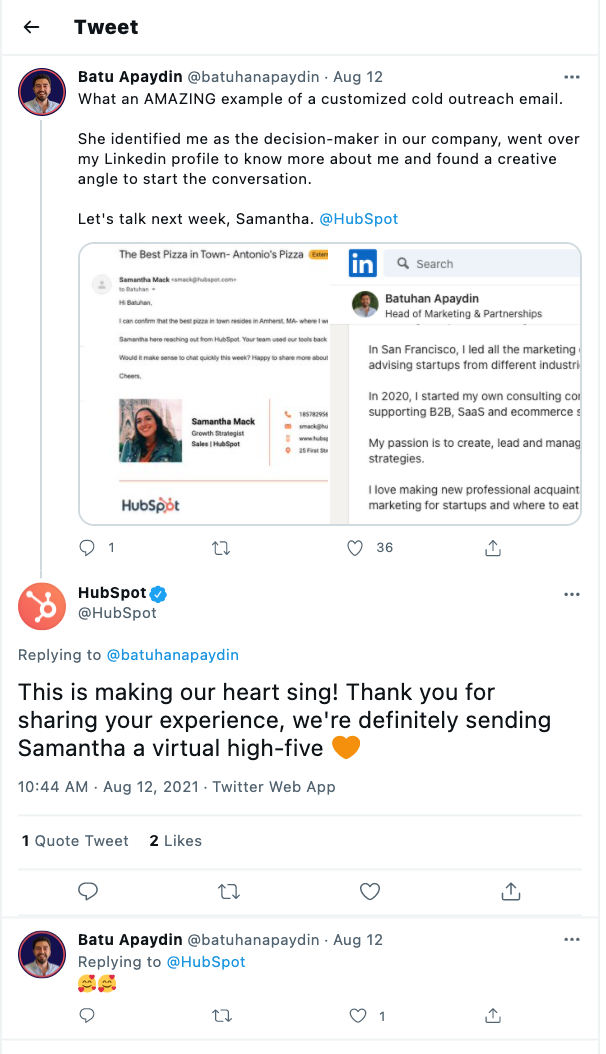
HubSpot using organic social media to drive traffic to their website

Image Source

Pro Tip: Check out our social media marketing guide to learn more.

4. Website Analysis

Let's do a little reverse engineering of our thought process. Before you drive traffic to your website, it's important to learn about your audience. To do this, analyze your website using platforms, such as Crazy Egg, to see where you're losing and gaining visitors. With this information at your disposal, you can create the right content to drive the right traffic to your website.

5. Influencers

We know that customers are more likely to buy from organizations with excellent word of mouth, but how do you create great word of mouth? First, delight your customers. Second, work with influencers.

Influencer marketing isn't a passing fad. In fact, it's a budget-friendly option to drive traffic to your website. When influencers post discount codes, links, reviews, or giveaways, you are tapping into their audience to drive traffic to your website.

6. Email List Building

Using your current readers and customers is a great way to drive traffic to your website. When you post a new blog or content offer, you can promote it to your followers/subscribers for a quick traffic boost. With content-heavy websites, having repeat readership is helpful for traffic goals, conversions, and lead generation.

To get started with this, build an email list or grow your current list. Below are a few strategies you can use:

      • Content offers: Publish content that requires visitors to share their email address to access it. Include CTAs for content offers on your website.
  • Easy-access newsletter sign-up: Include sign-up forms on your website, from your homepage to your about page. If a visitor had a delightful experience on your site, they might want to sign up for a newsletter.

Use HubSpot’s free forms tool to easily add a form to your site and start growing your email list.

  • Social media: Promoting your email newsletter on social media, whether through a post or contest/giveaway, is a great way to convert your current followers into subscribers.

Pro Tip: Learn how to build an email list from scratch here or grow your email list here.

7. Community Engagement

The more brand recognition you have, the more traffic you will drive to your website. One way to achieve brand recognition is to be active and engaged within the market. You can implement an engagement strategy today by participating in Facebook group discussions in your industry, answering questions on public forum websites, and interacting with your followers on social media.

One of my favorite brands on social media is Taco Bell. Taco Bell delights its customers on social media just about every day. See a couple of examples from the company’s Twitter below.
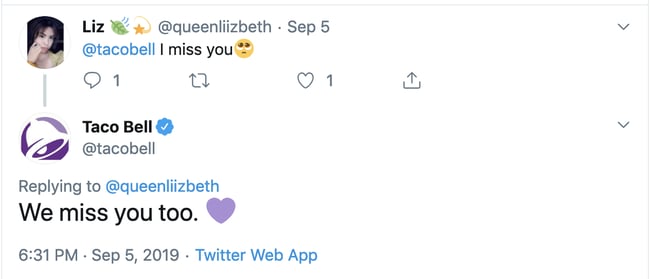
Taco Bell delights customers on Twitter

Image Source

In the example above, Taco Bell uses a simple tweet from a customer to engage with them and build community organically.
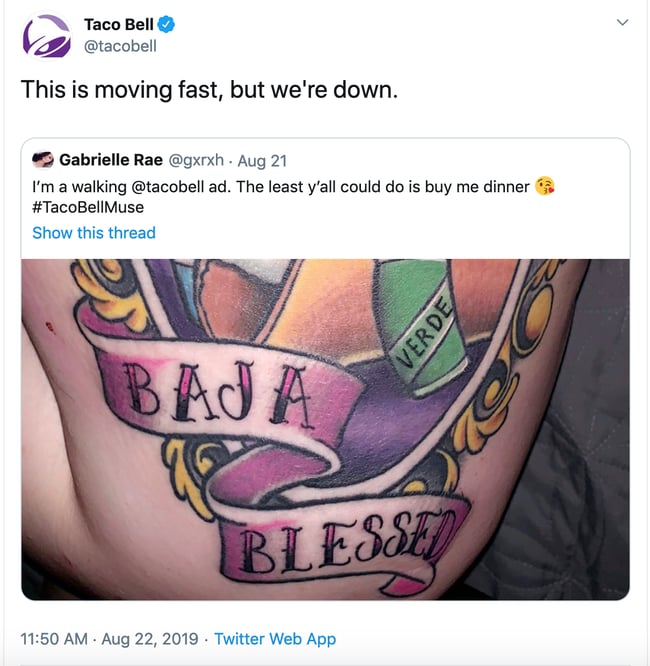
Taco Bell uses humor to delight customers on Twitter

Image Source

Just remember to be helpful and human. No one likes spammy links or self-serving rhetoric when they're asking a quick question online.

8. On-Page SEO

On-page SEO can help your website rank higher in search engines and bring in more traffic. Some on-page SEO elements include the bpage title, header, meta description, image alt-text, and the URL (plus more). Showing up in search engines will generate more traffic for your site.

Pro tip: To get started with on-page SEO, check out our ultimate guide to on-page SEO.

9. Quality Backlinks

In order to drive traffic to your site, you need to rank high in search engines. In order to rank higher in search engines, you need to be an authority in your industry. One way to do that, besides the topic/cluster model described above, is by acquiring quality backlinks. If websites with high authority link to your site, that gives you more credibility.

Irina Nica, senior content strategist at HubSpot says, "There are two main ways in which high-quality backlinks can help drive more traffic to a website: boosting ranking and driving referral traffic. On the one hand, backlinks are one of the most important ranking factors for every major search engine out there. By constantly earning high-quality backlinks from relevant websites, you'll improve your rankings in SERP and, as a result, see a lift in your organic traffic."

Nica adds, "On the other hand, backlinks can also drive a substantial amount of referral traffic. That's something to be expected if you get mentioned on a popular news website. You can also see referral traffic coming through if you're mentioned (and linked to) in an article that's already ranking well for high search volume keywords and is getting a constant flow of traffic.

Pro Tip: Want to learn how to earn backlinks? Find out more here.

10. Video MarketingHubSpot video marketing example to drive traffic to your website
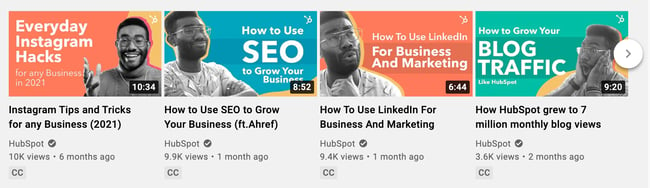
Image Source

It's time to add video marketing to your content strategy because the audience is looking for video content. Statista reports that 77% of internet users ages 15 - 35 are using YouTube to consume video content.

You can create videos for Instagram or Facebook Stories, live videos, IGTV, Facebook Watch, news feed videos, YouTube, etc. Want to get started today? Learn everything you need to know in our ultimate guide to video marketing.

11. Content Repurposing

Need content to drive traffic to your site but struggling to come up with ideas? I get it. A great way to overcome this hurdle is to repurpose old content. Take a well-performing blog post and repurpose that into a video. Or if you have a podcast that did really well, write up a blog post on that topic. Using content that has already performed well will continue to drive traffic to your site.

12. SEO Tools

To drive traffic to your website, it's important to be a student of SEO. Learning SEO tools such as Google Analytics, Ahrefs, and SEMrush will help you develop a strategy to generate traffic to your website.

These tools will help you learn and analyze what's working on your site and what isn't. Plus, these help you come up with ideas for content that has the potential to generate high traffic. Check out our roundup of the best SEO tools to monitor your website.

13. Historical Optimization

Historical optimization is the process we use at HubSpot to update old blog content and generate more traffic and leads. If you're anything like us, a majority of your monthly blog views and leads come from older posts.

Pamela Vaughan, a principal marketing manager on HubSpot's Web Strategy team, a.k.a. the person who introduced us to the concept of historical optimization, has written about this extensively.

She says, "Historical optimization is a tactic best-suited for a blog that's been around for several years because you need to 1) be generating a significant amount of organic search traffic, 2) have built up a critical mass of blog subscribers and social media followers, and 3) have a sizable repository of old posts at your disposal."

Vaughan adds, "Historical optimization should be a piece of your overall blogging strategy — not the whole strategy."

Pro Tip: Follow her step-by-step process for historical optimization.

14. Voice Search Optimization

Remember in "The Little Mermaid" when Ariel wanted to go where the people were? That same principle applies to digital marketing. In order to drive traffic to your website, it's important to show up where people are searching.

Voice search is an increasingly important area in which to rank. In fact, according to eMarketer, voice searches will have increased 9.7% by the end of 2021. That's why optimizing your content for voice search is essential.

Here are a few tips to get started:

  • Research long tail keywords: When people use voice search, they speak in full sentences rather than short phrases. To optimize for voice search, start researching longer-tail keywords.
  • Write answer-focused content: The content you write should answer your audience's questions.
  • Optimize for snippets: Smart speakers like Alexa and Google Home look for short, concise answers. Writing quick summaries in your posts makes it easier for search engines and smart speakers to find the answer they need.

15. Local SEO

If your company is a brick-and-mortar store, local SEO is an important factor to consider. My colleague, Kelsey Smith, wrote about it in this blog. She says, "To gather information for local search, search engines rely on signals such as local content, social profile pages, links, and citations to provide the most relevant local results to the user."

For example, when someone types in "best soul food restaurant" on Google, the results are generated by the user's location. Tools such as Google My Business and Moz Local help businesses manage their directory listings and citations so they show up in local searches. Here’s a restaurant that shows up for that search in Memphis, TN.
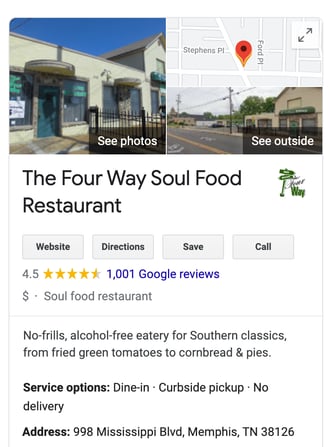
Driving traffic through local SEO featuring the Four Way Soul Food Restaraunt

To rank for local search:

  • Ensure your name, address, and phone number (NAP) is consistent on your Google My Business and social media pages.
  • Use a directory management tool to monitor directories like Yelp, Foursquare, Best of the Web, etc.
  • Research and use location-based search terms on sites like Google Trends, which analyzes popular search terms across various regions.

16. QR Codes

If there’s one thing that brings technology and the real world together better than any other tool, I’d bet my bottom dollar it’s the QR code. This interesting image of pixels can drive traffic to your website from just about anywhere with a flat surface. And they’re not just for restaurants trying to operate safely during the Covid-19 pandemic — marketers love them because they drive traffic — trackable traffic.

The main catch with QR codes is that you have to give the user a reason to scan them, so you can’t place them haphazardly. That shouldn’t be too difficult though, think of it as creating a real-life CTA button. If you make it enticing and accessible enough, people will scan it, and you’ll get to assess the success of that QR code’s placement in real-time. That’s something you’d spend weeks figuring out in a digital-only traffic campaign.

17. A/B Testing

Besides driving traffic to your website, you know you're a marketer when your motto is, "Test, test, and test again."

A/B testing is a split test that helps you determine what version of a campaign performs best. These tests can give you key information about your audience so you can create tailored content and offers that drive traffic to your site. There are a lot of tools you can use to get started. Check out our roundup of the best A/B testing tools.

18. Internal Linking

When a visitor comes to your blog, your goal is to get them to continue reading on other pages of your website. That's why internal links — links to other pages on your site — are very important. When visitors continue to other pages of your website they're more likely to convert and become a brand enthusiasts.

For example, you can create an internal linking structure using the pillar/cluster model described above. Pillar and cluster pages link back and forth, which boosts your site's credibility on search engines, while also increasing the likelihood of a conversion.

19. Technical SEO

Technical SEO focuses on the backend of your website to see how the pages are technically set up and organized. Factors include elements like page speed, crawling, indexing, and more. Matthew Howells-Barby, HubSpot's director of acquisition, has written about technical SEO in this blog.

In it, he says, "Don't underestimate the power of technical SEO changes. [Technical SEO] resulted in us growing our organic traffic by more than 50% in just one month."

To get started with your technical SEO, use some of the tips from Howells-Barby's article, including:

  • Fix broken links and redirects.
  • Create an XML sitemap for your subdomains.
  • Set up language meta tags.
  • Add custom H1 and introductions to topic pages.

20. Community Building

Building a community of brand enthusiasts is a great way to continuously drive traffic to your website. You can build a Facebook group, Twitter chat, LinkedIn Group, or Quora Space specifically for your followers and others in your industry where you create value, while also linking back to your site.

A great example of community building comes from career coaching business CultiVitae. They have a closed Facebook group where Emily, the founder, answers questions and provides networking opportunities.

CultuVitae example of driving traffic to website via community building

Image Source

With over 10.3k members in this group, CultiVitae creates value for its followers, while also promoting its product.
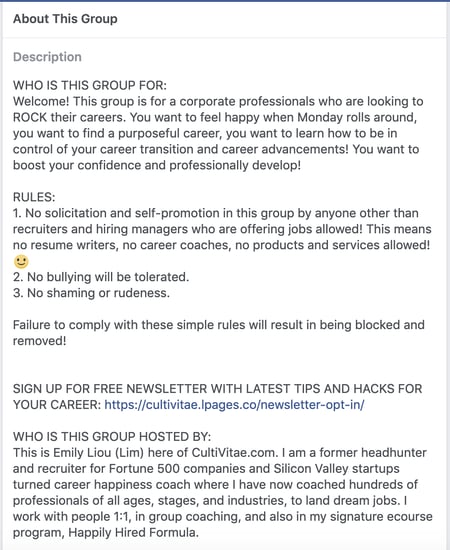
Career coaching Facebook group rules

Image Source

These types of communities keep you top of mind in your customer's eyes. Plus, it's a great way to engage with your followers and learn more about your audience as they evolve over time.

21. Content Offers

Content offers, sometimes referred to as lead magnets, are a way to use content to drive traffic to your site and generate leads. Content offers vary depending on what stage of the buyer's journey your customer is in, but can include webinars, guides, reports, trials, demos, checklists, and more.

Pro Tip: You can learn about different types of content offers here and how to create content for every stage in the buyer's journey here.

22. Media Coverage and Public Relations

Earned media coverage is a great way to drive brand awareness for your company and traffic to your website. If your marketing and public relations teams work together, you can generate traffic to your site and create excellent word of mouth.

Ellie Flanagan, a senior corporate communications manager at HubSpot, says, "Although most outlets these days try to stay away from including backlinks in their stories (it's usually against their editorial guidelines), that doesn't mean that a good story won't drive folks back to your site.

Media coverage provides great third-party validation for your company. Stories about new products or services, your company culture, or even industry thought leadership can all be great drivers for a reader who maybe hadn't heard of your company before and wants to learn more."

23. Social Share Buttons

Social share buttons are links that make it easy for your readers to share your content on social media. When your readers become promoters of your content, your traffic will increase. Here's a quick cheat sheet on creating social share buttons.

Once you've created your social share buttons, how do you get people to share your content? Here are a few tips to get started:

  • Ask people to share on social media.
  • Create strong content.
  • Include quotable content.
  • Add multimedia such as images, videos, infographics, etc.

24. CTR Optimization

Once your content is posted and you begin ranking on search engines, make sure people are clicking through to read your posts. Your click-through rate (CTR) measures who clicked on your post and read it against the number of people who viewed the link to your post (e.g., the landing page, email, or advertisement) in total.

A great tool to measure your organic CTR is Google Search Console. To get more people to click through and drive traffic to your site, it's important to write compelling and apt meta descriptions and titles. To write quality meta tags that are click-worthy, make sure your titles are short and snappy, and your description leaves visitors wanting more. This ties into on-page SEO, described above.

25. Academy and Knowledge Base Posts

One form of content that can drive traffic to your website is educational content. If you create courses, certifications, or educational posts that are helpful to your audience, you'll likely see an increase in traffic.

For example, HubSpot uses HubSpot Academy to generate content that is helpful to our audience. We provide videos, certification courses, and knowledge base articles to answer questions. See an example of a knowledge base article below.
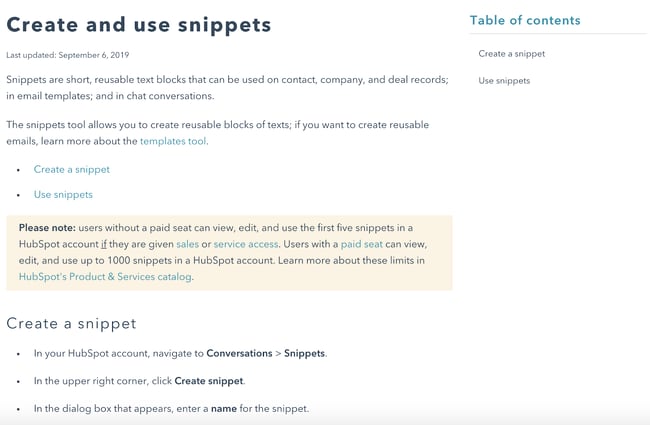
HubSpot knowledge base article

Image Source

26. Social News Sites

Have you heard of Reddit and Quora? These are social news sites and they’re great for driving traffic to blog articles. By nature, these platforms are similar to social media because they foster asynchronous connections between users. The difference is that these types of sites engage people around a question or topic, and external content can be shared to help explain the users’ points of view.

Another way external sites benefit from increased traffic via social news sites is when they’re shared in popular channels. You can share your website’s content on these sites yourself if you’re just starting out, but do so carefully. Just like on traditional social sites, too much self-promotion is frowned upon in the Reddit and Quora communities. You’ll fare best when you share your content in context of the topic and when it’s the best information to answer the user’s question.

1. Paid Advertising

You can drive traffic to your website quickly with paid advertising. With search engines, you can run pay-per-click or retargeting ads. With social media you can run display ads or sponsored posts. Your strategy will most likely include a combination of different types of advertising like social media, display, and search ads. In fact, according to the 2020 CMO Survey, firms expect social spending to rise by 62% over five years.

Paid ads to drive traffic to your website featuring amazon music as an example

Pro Tip: Getting started with paid advertising can be a simple process — learn more about it here.

2. Contests and Giveaways

A simple way to drive traffic to your website is through contests and giveaways. This can give you a quick boost, while also rewarding your followers. You can host giveaways on social media, through your email list, or both.

Implementing a strategy like this can be simple. Just follow these six steps:

  • Decide what platform on which to host your giveaway. (You can use multiple.)
  • Choose a prize. (Free tickets, discount, etc … )
  • Select the criteria. (Website comments, email sign up, etc … )
  • Write the ad copy.
  • Create the graphics.
  • Post and promote the contest or giveaway.

3. Guest Posting

In that same vein, writing guest posts can generate traffic to your site. Guest posting shows you're active in your community, while also linking to your website — more on generating backlinks below.

To implement a guest posting strategy, you need to find a site that would be a good fit for your company, draft a blog post, and then write a pitch. Caroline Forsey, senior content strategist on the Blog team, says, "I'm always particularly intrigued with a guest pitch if it shows me the writer has done their research ahead of time.

For instance, I'd pay much closer attention to a pitch if it tells me how this piece could appeal to my readers. Additionally, I'm impressed when a writer can recognize gaps in our content and how their piece will fill those gaps, rather than competing with existing content."

As an example, here’s what HubSpot looks for in guest posts to the Marketing Blog.

4. Thought Leadership

According to Edelman’s and LinkedIn’s 2020 research, more than half of decision makers spend an hour or more reading thought leadership content each week. It’s clear that people have an interest in this topic, so why not dedicate more of your calendar to it?

Just about every industry has several well-respected people with words of wisdom to share. Even if they come from a completely different background than what your company specializes in, influential thought leaders have transferable knowledge that can be helpful for your readers.

When choosing a thought leader, the most well-known person isn’t your only option. Instead, look for great storytellers. The HubSpot Blog Team recommends keeping your eyes peeled for up-and-coming experts as well as individuals who thrive in less hyper-digital industries like agriculture, food and beverage, and humanitarian work like Sippie Siphiwe Mungaraza does at Mealtime Limited.
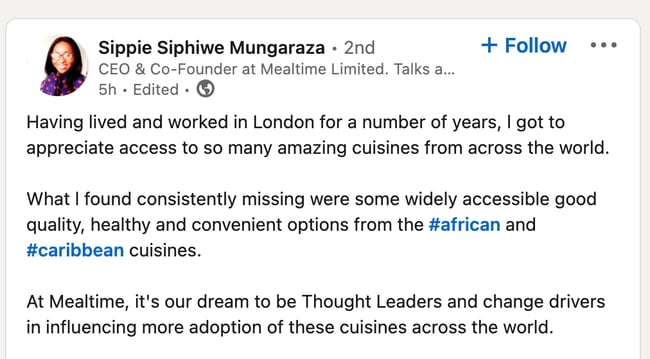
Thought leadership content to drive traffic featuring Sippie Siphiwe Mungaraza

Image Source

Website Traffic Is Waiting For You

Driving traffic is a never-ending task, but it’s also a task that yields results long after you get started. There are so many paths your future customers can take to reach your website, all you have to do is find the one that works best for your business. Try one of these methods in your next quarter’s demand generation strategy to see a significant traffic boost.

Editor's note: This post was originally published in October 2019 and has been updated for comprehensiveness.

New Call-to-action


from Marketing https://ift.tt/2OyeSq8
via

Which Social Media Channels See the Most ROI? [New Data + Expert Tips]

As any marketer knows, social media is an undeniably powerful tool to reach new audiences and connect with existing customers.

In fact, as of 2021, social media is now the #1 channel used by marketers.

But with all that Tweeting, Liking, Posting, and scrolling, it can be difficult to know which platforms give you the most bang for your buck.

Sure, it's important to ensure your brand interacts on whichever platforms are most popular with your audience, but it's equally critical you take the time to determine which platforms provide the best ROI for your business. This information can help you determine where to invest in paid advertising, as well as which channels you should use for lead generation.

However, social media usage can shift overnight. The platforms that provided marketers with the highest ROI five years ago likely don't deliver the same results anymore. That's why we conducted research to find out where marketers saw the highest ROI in 2021.

Here, we'll explore which channels provided marketers with the highest ROI in 2021. We also reached out to experts at Talkwalker, Socialinsider, Casted, Brandfolder, LiveChat, Sprout Social, MarketingLabs, and HubSpot to determine how marketers can leverage certain tactics within those channels to increase engagement and drive sales. Let's dive in.

Download Now: State of Marketing in 2021 Report

Which social media channels have the best ROI?

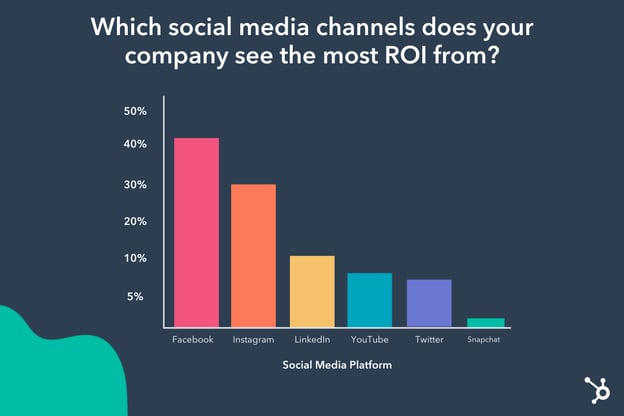
the social channels marketers see highest ROI from in 2021

 According to HubSpot's 2021 State of Marketing report, Facebook is the social media channel that provides marketers with the highest ROI.

Over 40% of marketers cited Facebook as the most effective channel for their businesses, followed by the roughly 30% who saw the highest ROI from Instagram, which is another Facebook-owned social platform.

By comparison, the other social channels in the list — including LinkedIn, YouTube, Twitter, and Snapchat — all ranked much lower, with less than 10% citing each platform as the best channel for ROI.

Let's dive into each of these platforms to uncover why the top 3 social media sites perform better than others when it comes to ROI — and how you can leverage them.

1. Facebook

With roughly 2.8 billion monthly active users as of 2021, Facebook has an undeniably impressive reach. It also offers advertising opportunities to more than 200 million businesses, making it one of the most popular advertising platforms.

With Facebook, marketers can advertise on a user's News Feed, via Messenger or video, and more. Marketers can also leverage Facebook Lead Ads to encourage Facebook users to fill out a lead generation form without leaving the social platform.

One of the major benefits of Facebook's advertising tools is its segmentation abilities. You can target your ads towards certain audiences depending on interests, demographics, behaviors, or even connection to your business — like whether they've attended one of your events, or have friends who've liked your Business Page. These targeting capabilities can help your business reach users who are most likely to purchase your product or service.

Nicole Ondracek, HubSpot's Paid Advertising Marketing Manager, agrees that Facebook is an incredibly viable channel. She told me, "At HubSpot, Facebook is a valuable channel for us in driving return on ad spend. A main reason why is that we can provide our content to a relevant audience using Facebook's audience targeting features. For instance, Facebook's lookalike audiences allow us to go after people who look like our current customers."

"Facebook's algorithm is great at finding similar audiences who are likely to convert, which is why we see a positive return on investment going after these types of audiences."

Take a look at HubSpot's How to Run Facebook Ads: A Step-by-Step Guide to Advertising on Facebook to learn how to set up your own Facebook ads.

2. Instagram

With over one billion Instagram users, it's unsurprising that Instagram is second in this list when it comes to ROI. Instagram offers marketers the ability to increase reach, engagement, and sales through a variety of methods, including Instagram Shoppable ads, Stories, branded content, Reels, and more.

The platform has proven a viable strategy for businesses. In fact, 90% of users follow a business on Instagram, and 50% of users are more interested in a brand after seeing ads for it on Instagram.

So … why doesn't it surpass Facebook for generating ROI?

Most likely, Instagram falls short of producing strong ROI due to its more intangible metrics — such as brand awareness, reputation, loyalty, and consumer engagement.

For instance, an Instagram user might never click on one of your business' ads directly from the platform. Instead, perhaps the ad simply increases a user's awareness of your brand. Down the road, perhaps they click on your website after seeing a Google ad. Certain metrics are difficult to attribute to Instagram, but that doesn't mean it isn't a good idea for your business.

3. LinkedIn

Despite only roughly 10% of marketers rating LinkedIn as their top channel for ROI, LinkedIn is an incredibly effective channel for lead generation and nurturing. Over 750 million professionals use LinkedIn for networking, career advancement, and more.

The platform offers a variety of tools designed to increase your business' ROI, including Sponsored Content, Sponsored Messaging, Text or Video ads, and more.

To succeed on the platform, you'll want to create valuable content that resonates with your LinkedIn audience. Conduct research to determine which types of content perform best on LinkedIn — and which content will perform best with your target audience — to ensure you're hitting the mark here.

Additionally, try running experiments when you start using LinkedIn's advertising tools. For instance, Cellular IoT Connectivity company Aeris set up an ad plan and tracker to determine which targeting combinations worked best for the brand, which failed, and which generated the highest-quality leads. As noted in this post, "It took rounds of testing and optimization to get to [the brand's] 25% submission rates."

Now that we've explored a few of 2021's most popular social channels, let's explore the strategies and best practices you can implement to increase your ROI across platforms, according to experts.

Which social media tactics or strategies have the best ROI? 

1. Conducting extensive research to understand your audience.

First and foremost, it's vital you understand your audience before creating any social media campaign. If you don't do your research, you risk spending time, money, and resources on the wrong channels — and missing out on more profitable connections elsewhere.

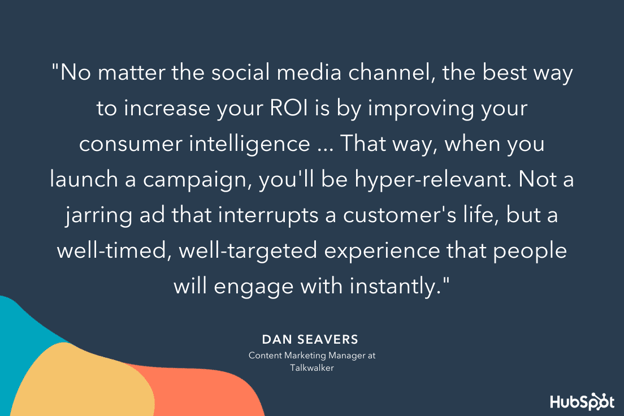
As Dan Seavers, Content Marketing Manager at Talkwalker, told me, "No matter the social media channel, the best way to increase your ROI is by improving your consumer intelligence. Get to know your customers better than your family, and understand what they're saying about your products, and where they're discussing them."

"That way, when you launch a campaign, you'll be hyper-relevant. Not a jarring ad that interrupts a customer's life, but a well-timed, well-targeted experience that people will engage with instantly."

Dan Seaver's strategy for increasing ROI on his company's social channels

2. Creating more video content — and testing out vertical videos.

People love videos – and yet, it seems most brands rely on images when advertising their products or services, and that's a mistake.

Adina Jipa, co-founder of Socialinsider, told me, "The most underused social media post is video content, which boosts engagement across all social media platforms."

"Facebook wants to become a video-first platform and favors pages with video content, but for most brands, it is [primarily] a photo-sharing platform."

Jipa adds, "A recent study about Facebook video strategy shows that only roughly 15% of the content [on Facebook] is video, while photos represent 38.58%."

To stand out and increase ROI, consider how you might incorporate video into your social media efforts.

Additionally, consider testing out different types of video formats across your channels. For instance, Facebook offers brands the opportunity to create vertical video ads for the mobile-friendly user.

As Jipa points out, "you can use vertical videos on ads to get more clicks. According to this poll, almost 69% of marketers say video ads outperform image and plain text ads on Facebook. 81% of Facebook users only access the platform via mobile devices, so using the vertical video format allows you to get more visibility and increase the chances of getting more clicks. Facebook videos ads can increase the CTR by 2-3X."

3. Re-using content across channels.

Most social teams create content in silos. Perhaps they tell one message via an Instagram post, and then create entirely different materials for a YouTube video or Tweet.

This undoubtedly requires a lot of time, effort, and resources — which can become frustrating when you don't see the ROI you need from these channels.

"Far too often, content is created for one-and-done campaigns or promotions," Casted's CEO and Co-founder Lindsay Tjepkema says. "This means marketers are working harder and harder to constantly produce more and more, yet ROI and ROE (return on effort) results are disappointing — and social is no exception."

She continues, "To change this, we must stop creating content for content's sake and start focusing instead on creating content that educates, entertains, and delights and can be broken down and amplified across all other channels — like social — not just once, but many times over. When you focus on creating engaging content that can be used in multiple ways across channels, you’ll see improved ROI and ROE (return on effort) across your campaigns — including your social activation."

To repurpose your content across channels, perhaps you post snippets of a full YouTube video on Facebook or Instagram. Alternatively, maybe you take text from a blog post and re-post on your channels to add value from your existing content, repurpose user-generated content across channels.

There are countless ways to refresh and re-use content to appeal to new audiences in unique ways without exhausting your social team.

4. Setting clear goals and devising a social strategy that works for your brand.

It's difficult to achieve results on social without taking the time to set clear goals for your team, and ensuring you've all discussed an appropriate strategy to get you there.

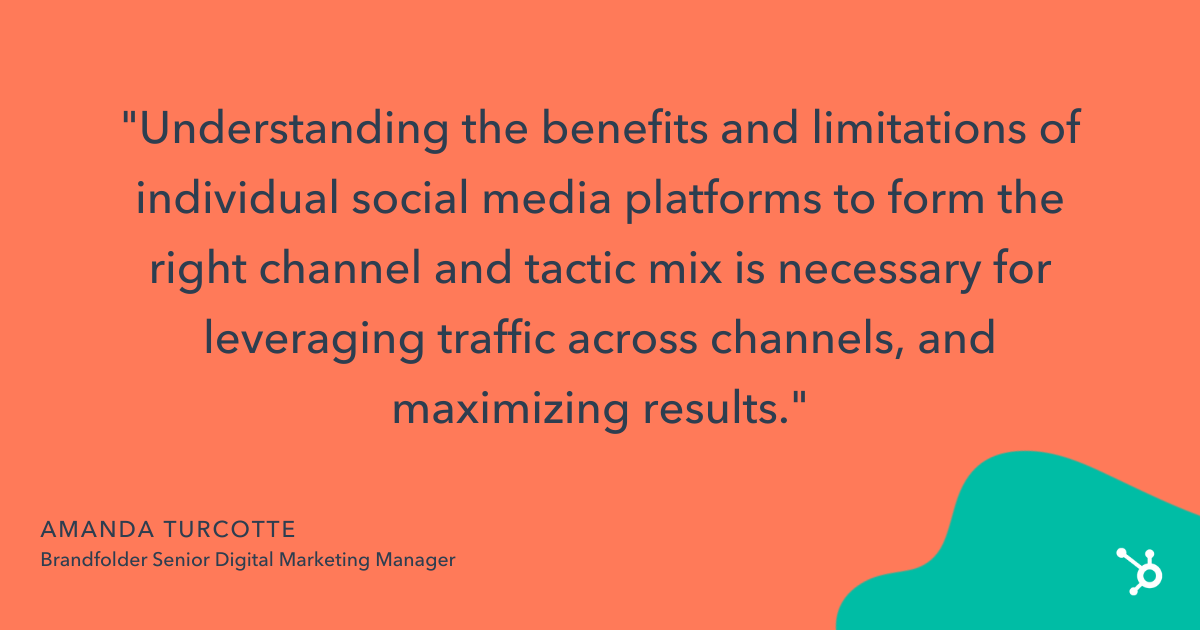
As Brandfolder's Senior Digital Marketing Manager Amanda Turcotte told me, "In order to achieve a return on your social media investment, you must have clear goals set before any tactical planning takes place. Various social media tactics can be applied differently to each of the platforms, meaning they'll produce different outcomes. So your goals need to be determined up front to ensure they're aligned with your social strategy."

brandfolders tips on improving social media roi

Once you've determined your social goals, you'll want to create a consistent posting strategy so your audience knows when, and how often, they can expect content from your brand. To make this easier, try using a social posting tool like HubSpot's Social Inbox Tool or Later.

Turcotte told me, "In order to move your team from strategy to action and keep everyone on the same page, it's crucial to develop a regular posting plan that documents your approach across each channel, located where all team members have access. "

Agnieszka Jaśkiewicz, Head of Social Media & Community at LiveChat, agrees that creating a strategy and using tools to support your team's goals is critical for finding success on social channels.

As she puts it, "The greatest area of 'untapped potential' for most brands comes in the form of streamlining creative workflows to support the volume needed for quality social activity. Digital workspaces that allow creatives and marketers to collaborate from a central location to stage, revise, and produce content limits back-and-forth communication and unnecessary steps in production."

Additionally, JaÅ›kiewicz says, "Digital templates for creative assets — set to the specifications of the organization's core social media platforms — can also add agility to social media managers' ability to publish, allowing teams to be more timely and quickly act on new opportunities."

5. Allow your users to purchase your products or services on social media platforms.  

Over the past few years we've seen rise to a new trend: social commerce.

In essence, social commerce is the ability to purchase from a brand within a social platform without leaving the site. Examples include shoppable ads and chatbot checkout.

Rachael Samuels, Senior Manager of Social Media at Sprout Social, told me she sees social commerce as a great opportunity to increase ROI on social channels.

Samuels says, "Social media has quickly become a primary communication channel for brands and consumers alike. As a result, marketers must seek new ways to engage with audiences while keeping other goals, such as lead generation, top of mind."

"One way we're seeing this unfold is through offerings like social commerce, which not only provide more seamless buying experiences for customers, but equip marketers with the ability to show direct attribution and ROI as a result of their efforts."

Samuels adds, "To maintain this momentum, marketers should ensure their tech stack enables them to integrate their CRM and social management tools so they can easily surface social insights with their broader sales and support teams." 

6. Use UTM tags for tracking. 

One reason you might not be seeing the ROI you're hoping for? Perhaps you're just not tracking properly.

As Matt Janaway, CEO of MarketingLabs, told me: "Tracking is now more important than ever thanks to the complications of iOS privacy improvements, so to really yield the best ROI, you have to make sure you are using UTM tags on all links. This way, you can correctly track the performance of your campaigns in Analytics."

Janaway adds, "This should give you the data you need to make decisions that can drive more engagement and ROI."

7. Encouraging your employees to become brand ambassadors.

One area of major untapped potential? Your employees.

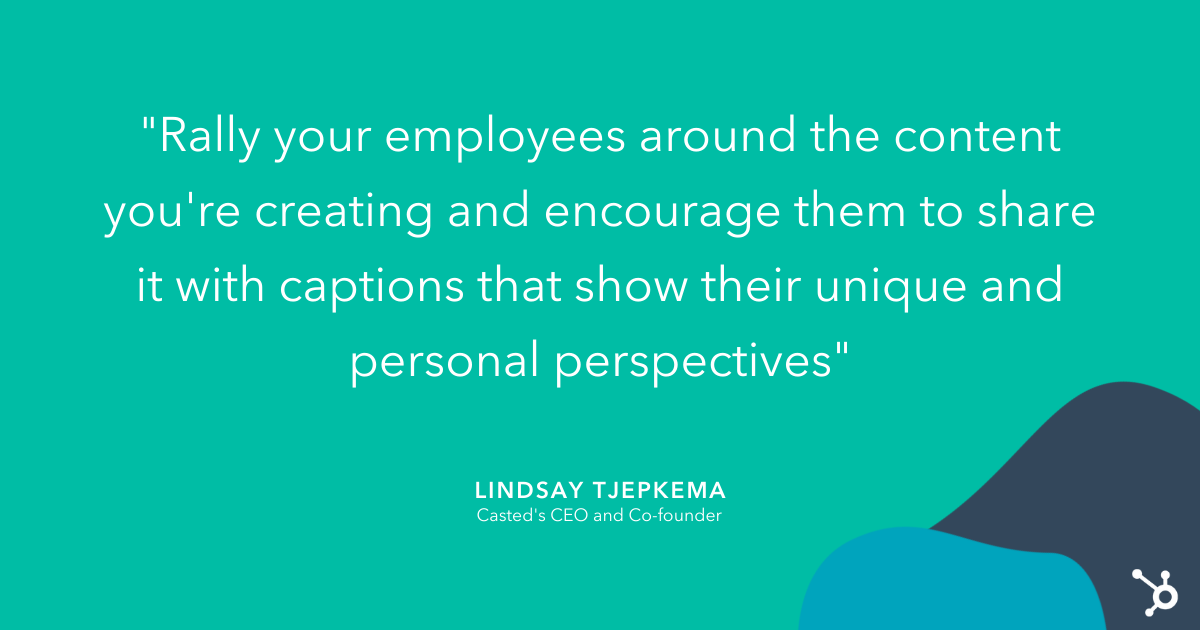
As Casted's Tjepkema tells me, "Employee activation is a huge and mostly untapped resource for brands. As consumers, we're far more driven to engage with user-generated content, yet so many brands spend too much time and money trying to only push content from their own brand instead of enabling their employees (and partners, brand fans, etc.) to amplify their content."

strategy for increasing social media ROI according to Casted's Tjepkema

"Rally your employees around the content you're creating and encourage them to share it with captions that show their unique and personal perspectives. This is a great way to help each member of your team build their personal brand, while also amplifying your content to audiences in a more authentic way."

LiveChat's JaÅ›kiewicz agrees with this notion, saying, "[You should] give employee advocacy a bigger seat at the table in your social media strategy, especially when it comes to LinkedIn. It takes some time and effort to provide people with the knowledge and imply the 'brand ambassadors' mindset in the organization — however, employee engagement is a cost-effective way to increase your reach organically."

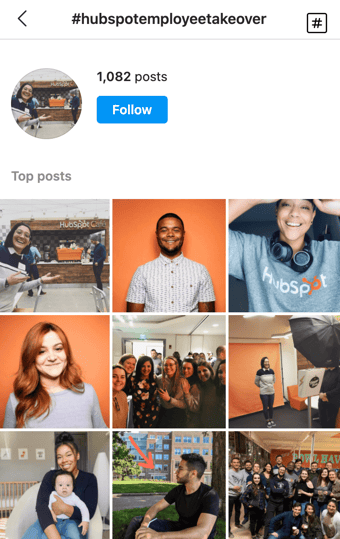
HubSpot, for instance, created #HubSpotEmployeeTakeover on its HubSpot Life Instagram account. The campaign helps show audiences the faces behind the brand, and creates a sense of community and authenticity that you wouldn't find with branded content alone.

Instagrams employee takeover

Increasing ROI across your social channels won't happen overnight — but by applying these strategies and remaining dedicated to iterating on your strategy as you collect audience insights over time, you'll surely begin to see stronger results from your social efforts.

Happy posting!

state of marketing


from Marketing https://ift.tt/3zyUEkO
via

What is Search Retargeting & How Does It Work?

When a user is on Google and searches for "athletic shoes," companies like Nike and Skechers probably want their ads to continuously show up for those users online because they're currently in the market for a product they sell.

But how could they do that when the user isn't searching for them and perhaps doesn't even know that their company sells athletic shoes?

That's where search retargeting comes in. With this behavioral targeting, companies can have their ads show up on search engine results pages (SERPs) and social media sites after a user types in certain keywords.

This is a popular strategy among marketers. In fact, 68% of marketing agencies and 49% of brands have a dedicated budget for retargeting. Additionally, it's also popular among online users -- 25% of online viewers enjoy seeing retargeted ads.

In this post, let's discuss what search retargeting is, how it works, and how you can use it to reach new audiences.

Download Now: Free Ad Campaign Planning Kit

Continuing the example above, if a user searched for "athletic shoes," they might go on Facebook a few days later and see an ad for Nike or Skechers. This would mean that the company has set up a digital campaign to retarget users who are searching for athletic shoes in search engines.

Now you might be wondering, "How does this work?" Let's dive in below.

How does search retargeting work?

Essentially, search retargeting works through automation. Once a user searches for a keyword, certain display ads will begin to appear on their SERPs, social media, and other pages they visit online.

This works by creating a custom audience for your display ads. To do this, you'll create a list of keywords that are relevant to your business. You can choose to retarget people who use broad, exact, or phrase-matched keywords.

Then, you'll go to your search engine ads (whether on Google, Yahoo, or Bing) or any software you use to set up your display advertising and use their ecosystem to set up your campaign. The search engine or software will then use their data to retarget those users and display your ads to them online.

The idea is that a user will be searching for a product, see your company's ad, and then hopefully either visit your site then or consider coming back to your site when they're ready to make a purchase.

Before we dive too deep into search retargeting, right now you're probably thinking about site retargeting and asking yourself, "Isn't this the same thing?" The answer is no, but let's expand below.

The great thing about search retargeting is that the user doesn't even have to be aware your company exists. They'll see your ads because they're looking for a certain product or service, whether they know of your brand or not.

While site retargeting helps those in the consideration/decision phase of the purchasing process, search retargeting is for those who are in the awareness phase. The main difference is the type of consumer that is being targeted.

Benefits of Search Retargeting

1. Improve brand awareness.

Search retargeting is especially effective at improving brand awareness. So much so, that 70% of marketers turn to search retargeting primarily to increase brand awareness. This is because the audience you're targeting doesn't have to know who you are to see your ad. The more people who see your ad that hasn't heard of your company, the greater your brand awareness.

2. Increase visitors to your site.

Of course, a huge benefit of doing search retargeting is increasing visitors to your site. You'll be able to attract new visitors to your site that haven't heard of your company and wouldn't have otherwise shown up on your site through search retargeting. This is because you're capturing visitors through the intent of their searches.

3. Convert more consumers.

At the end of the day, you run digital campaigns to increase your ROI (return on investment) and drive revenue. Search retargeting can help with that. In fact, retargeted search ads have higher conversion rates than regular display ads. And it ends up being more cost-effective.

Google Search Retargeting

While you might use a marketing automation tool to set up your search retargeting ads, those will most likely only use data collected from Yahoo and Bing. Google prefers to keep its data in-house, so you can use Google Ads to conduct your search retargeting campaigns on this search engine.

Within Google, this process is called keyword contextual targeting. You'll use Google's keyword tool to select your keywords, and you can even use negative keywords to make sure your ads don't show up on irrelevant searches.

Reach New Audiences with Search Retargeting

Search retargeting is a great way to increase brand awareness and bring more engagement and visitors to your site. Not only does it work, but consumers prefer this type of advertising to other display ads.

advertising plan


from Marketing https://ift.tt/38suGnq
via

Monday, 30 August 2021

How to Conduct the Perfect Marketing Experiment [+ Examples]

After months of hard work, multiple coffee runs, and navigation of the latest industry changes, you've finally finished your next big marketing campaign.

Complete with social media posts, PPC ads, and a sparkly new logo, it's the campaign of a lifetime.

But how do you know it will be effective?

Free Download: A/B Testing Guide and Kit

While there's no sure way to know if your campaign will turn heads, there is a way to gauge whether those new aspects of your strategy will be effective.

If you want to know if certain components of your campaign are worth the effort, consider conducting a marketing experiment.

Marketing experiments give you a projection of how well marketing methods will perform before you implement them. Keep reading to learn how to conduct an experiment and discover the types of experiments you can run.

What are marketing experiments?

A marketing experiment is a form of market research in which your goal is to discover new strategies for future campaigns or validate existing ones.

For instance, a marketing team might create and send emails to a small segment of their readership to gauge engagement rates, before adding them to a campaign.

It's important to note that a marketing experiment isn't synonymous with a marketing test. Marketing experiments are done for discovery, while a test confirms theories.

Why should you run a marketing experiment?

Think of running a marketing experiment as taking out an insurance policy on future marketing efforts. It’s a way to minimize your risk and ensure that your efforts are in line with your desired results.

Imagine spending hours searching for the perfect gift. You think you’ve found the right one, only to realize later that it doesn’t align with your recipient’s taste or interests. Gifts come with receipts but there’s no money-back guarantee when it comes to marketing campaigns.

An experiment will help you better understand your audience, which in turn will enable you to optimize your strategy for a stronger performance.

Performing a marketing experiment involves doing research, structuring the experiment, and analyzing the results. Let's go through the seven steps necessary to conduct a marketing experiment.

1. Brainstorm and prioritize experiment ideas.

The first thing you should do when running a marketing experiment is start with a list of ideas.

Don’t know where to start? Look at your current priorities. What goals are you focusing on for the next quarter or the next year?

From there, analyze historical data. Were your past strategies worked in the past and what were your low performers?

As you dig into your data, you may find that you still have unanswered questions about which strategies may be most effective. From there, you can identify potential reasons behind low performance and start brainstorming some ideas for future experiments.

Then, you can rank your ideas by relevance, timeliness, and return on investment so that you know which ones to tackle first.

Keep a log of your ideas online, like Google Sheets, for easy access and collaboration.

2. Find one idea to focus on.

Now that you have a log of ideas, you can pick one to focus on.

Ideally, you organize your list based on current priorities. As such, as the business evolves, your priorities may change and affect how you rank your ideas.

Say you want to increase your subscriber count by 1,000 over the next quarter. You’re several weeks away from the start of the quarter and after looking through your data, you notice that users don’t convert once they land on your landing page.

Your landing page would be a great place to start your experiment. It’s relevant to your current goals and will yield a large return on your investment.

Even unsuccessful experiments, meaning those that do not yield expected results, are incredibly valuable as they help you to better understand your audience.

3. Make a hypothesis.

Hypotheses aren't just for science projects. When conducting a marketing experiment, the first step is to make a hypothesis you're curious to test.

A good hypothesis for your landing page can be any of the following:

    • Changing the CTA copy from "Get Started" to "Join Our Community" will increase sign-ups by 5%.
    • Removing the phone number field from the landing page form will increase the form completion rate by 25%.
    • Adding a security badge on the landing page will increase the conversion rate by 10%.

This is a good hypothesis because you can prove or disprove it, it isn't subjective, and has a clear measurement of achievement.

A not-so-good hypothesis will tackle several elements at once, be unspecific and difficult to measure. For example: "By updating the photos, CTA, and copy on the landing page, we should get more sign-ups.

Here’s why this doesn’t work: Testing several variables at once is a no-go when it comes to experimenting because it will be unclear which change(s) impacted the results. The hypothesis also doesn’t mention how the elements would be changed nor what would constitute a win.

Formulating a hypothesis takes some practice, but it’s the key to building a robust experiment.

4. Collect research.

After creating your hypothesis, begin to gather research. Doing this will give you background knowledge about experiments that have already been conducted and get an idea of possible outcomes.

Researching your experiment can help you modify your hypothesis if needed.

Say your hypothesis is, "Changing the CTA copy from "Get Started" to "Join Our Community" will increase sign-ups by 5%." You may conduct more market research to validate your ideas surrounding your user persona and if they will resonate better with a community-focused approach.

It would be helpful to look at your competitors’ landing pages and see which strategies they’re using during your research.

5. Select your metrics.

Once you've collected the research, you can choose which avenue you will take and what metrics to measure.

For instance, if you’re running an email subject line experiment, the open rate is the right metric to track.

For a landing page, you’ll likely be tracking the number of submissions during the testing period. If you’re experimenting on a blog, you might focus on the average time on page.

It all depends on what you’re tracking and the question you want to answer with your experiment.

6. Execute the experiment.

Now it's time to create and perform the experiment.

Depending on what you’re testing, this may be a cross-functional project that requires collaborating with other teams.

For instance, if you’re testing a new landing page CTA, you’ll likely need a copywriter or UX writer.

Everyone involved in this experiment should know:

  • The hypothesis and goal of the experiment
  • The timeline and duration
  • The metrics you’ll track

7. Analyze the results.

Once you've run the experiment, collect and analyze the results.

You want to gather enough data for statistical significance.

Use the metrics you've decided upon in the second step and conclude if your hypothesis was correct or not.

The prime indicators for success will be the metrics you chose to focus on.

For instance, for the landing page example, did sign-ups increase as a result of the new copy? If the conversion rate met or went above the goal, the experiment would be considered successful and one you should implement.

If it’s unsuccessful, your team should discuss the potential reasons why and go back to the drawing board. This experiment may spark ideas of new elements to test.

Now that you know how to conduct a marketing experiment, let's go over a few different ways to run them.

Marketing Experiment Examples

There are many types of marketing experiments you can conduct with your team. These tests will help you determine how aspects of your campaign will perform before you roll out the campaign as a whole.

A/B testing is one of the popular ways to marketing in which two versions of a webpage, email, or social post are presented to an audience (randomly divided in half). This test determines which version performs better with your audience.

This method is useful because you can better understand the preferences of users who will be using your product.

Find below the types of experiments you can run.

1. Website

Your website is arguably your most important digital asset. As such, you’ll want to make sure it’s performing well.

If your bounce rate is high, the average time on page is low, or your visitors aren’t navigating your site in the way you’d like, it may be time to run an experiment.

2. Landing Pages

Landing pages are used to convert visitors into leads. If your landing page is underperforming, running an experiment can yield high returns.

The great thing about running a test on a landing page is that there are typically only a few elements to test: your background image, your copy, form, and CTA.

3. CTAs

Experimenting with different CTAs can improve the number of people who engage with your content.

For instance, instead of using "Buy Now!" to pull customers in, why not try, "Learn more."

You can also test different colors of CTAs as opposed to the copy.

4. Paid Media Campaigns

There are so many different ways to experiment with ads.

Not only can you test ads on various platforms to see which ones reach your audience the best, but you can also experiment with the type of ad you create.

As a big purveyor of GIFs in the workplace, animating ads are a great way to catch the attention of potential customers. Those may work great for your brand.

You may also find that short videos or static images work better.

social media ad on InstagramThis Instagram ad from We're Not Really Strangers uses multimedia to make its post stand out. If you're testing out PPC advertising, try diversifying those ads to capture the interest of more audiences.

Additionally, you might run different types of copy with your ads to see which language compels your audience to click.

To maximize your return on ad spend (ROAS), run experiments on your paid media campaigns.

4. Social Media Platforms

Is there a social media site you're not using? For instance, lifestyle brands might prioritize Twitter and Instagram, but implementing Pinterest opens the door for an untapped audience.

You might consider testing which hashtags or visuals you use on certain social media sites to see how well they perform.

The more you use certain social platforms, the more iterations you can create based on what your audience responds to.

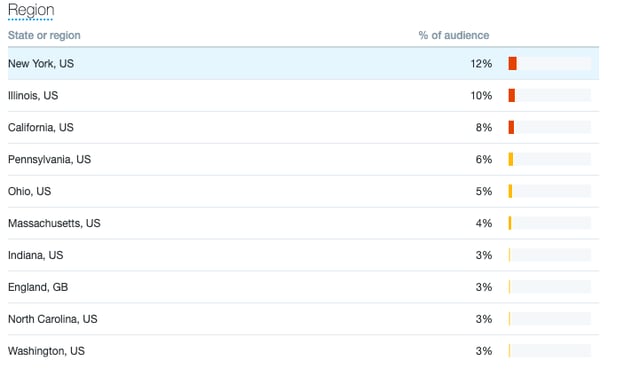
You might even use your social media analytics to determine which countries or regions you should focus on — for instance, my Twitter Analytics, below, demonstrates where most of my audience resides.

personal twitter analytics

If alternatively, I saw most of my audience came from India, I might need to alter my social strategy to ensure I catered to India's time zone.

When experimenting with different time zones, consider making content specific to the audience you're trying to reach.

5. Copy

Your copy — the text used in marketing campaigns to persuade, inform, or entertain an audience — can make or break your marketing strategy.

If you’re not in touch with your audience, your message may not resonate. Perhaps you haven’t fleshed out your user persona or you’ve conducted limited research.

As such, it may be helpful to test what tone and concepts your audience enjoys. A/B testing is a great way to do this, you can also run surveys and focus groups to better understand your audience.

6. Email

Email marketing continues to be one of the best digital channels to grow and nurture your leads.

If you have low open or high unsubscribe rates, it's worth running experiments to see what your audience will respond best to.

Perhaps your subject lines are too impersonal or unspecific. Or the content in your email is too long.

By playing around with various elements in your email, you can figure out the right strategy to reach your audience.

Ultimately, marketing experiments are a cost-effective way to get a picture of how new content ideas will work in your next campaign, which is critical for ensuring you continue to delight your audience.

Editor's Note: This post was originally published in December 2019 and has been updated for comprehensiveness.

The Ultimate A/B Testing Kit


from Marketing https://ift.tt/34JeXN8
via