Please visit Marketing Land for the full article.


from Marketing Land - Internet Marketing News, Strategies & Tips https://ift.tt/2y29YYN
via


Restorative yoga is a gentle, passive practice that promotes relaxation in the body. The other day at the start of...
The post The Friendly Way to Adapt Your Content Like a Flexible Yoga Instructor appeared first on Copyblogger.

John Pugh, a creator of trompe l’Oeil optical illusion murals, has said, "It seems almost universal that people take delight in being visually tricked."
He has a point.
Consider the popularity of the infamous "Is That Dress White and Gold or Blue and Black?" debate. Or, the instant success of shows like Westworld or Black Mirror, both of which rely on an audience's obsession with being deceived.
Both of these examples support Pugh's statement -- people enjoy artwork that blurs the line between reality and illusion.
Trompe l’Oeil, a French expression, translates in English to optical illusion. Trompe l’Oeil murals appear to be lifelike and three-dimensional, and are typically displayed on vertical surfaces, like the walls of a building.
If you enjoy optical illusions, take a look at our favorite trompe l’Oeil examples to trick your mind.
1. "Quetzalcoatl" by John Pugh
2. "Mezzanine en trompe l'Oeil" by Célia Kogut
3. "Cinema Cannes" by A.FRESCO
4. "Mueller's Waterfall" by Edgar Mueller
5. "Puzzling Realities" by Jenny McCracken
6. "Copenhagen Zoo" by Bates Y&R
7. "Venice, Italy" by Morgan Bricca
8. "Mural for Fontainebleau Hotel" by Richard Haas
9. "Flatiron Building, Toronto" by Derek Besant
10. "Le Radeau de Lampéduse" by Pierre Delavie
11. "Trompe l'Oeil books" by Paul Czainski
12. "Derelict building" by Nina Camplin
13. "Capri" by Rainer Maria Latzke
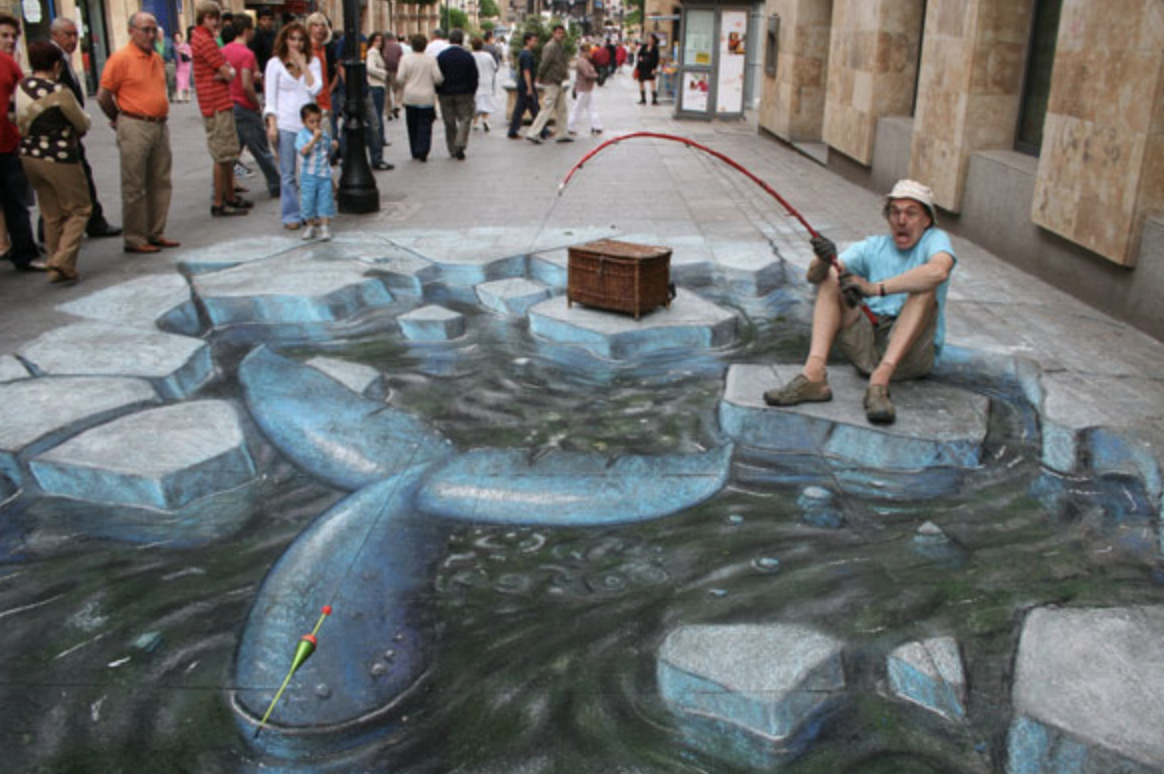
14. "Oh crumbs!" by Julian Beever
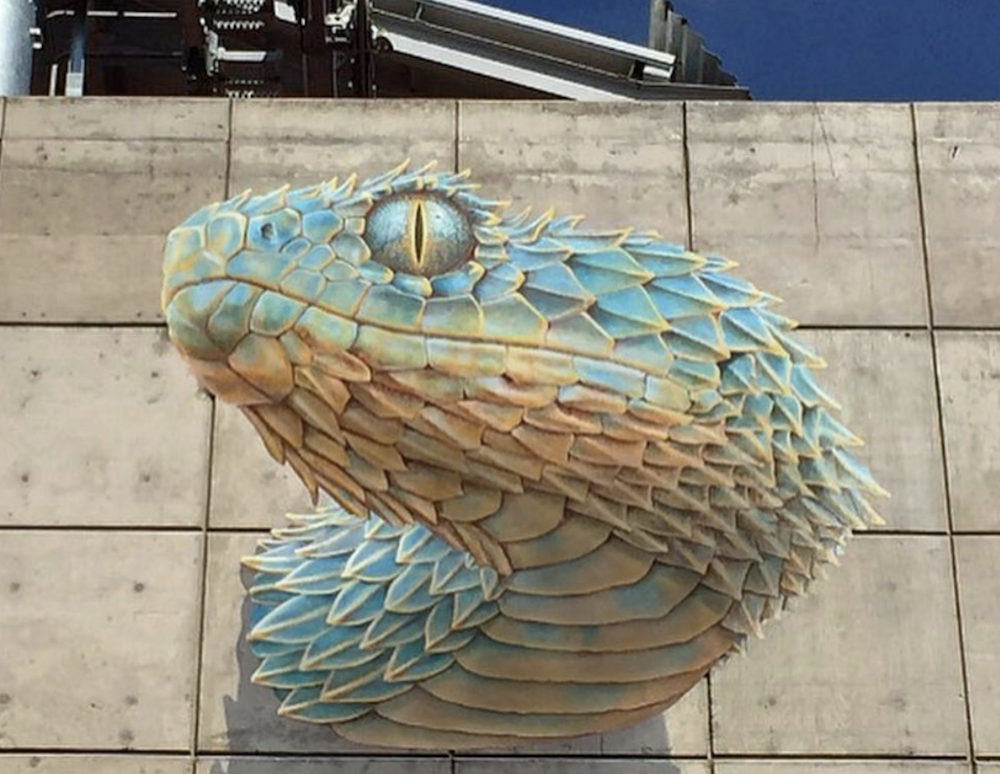



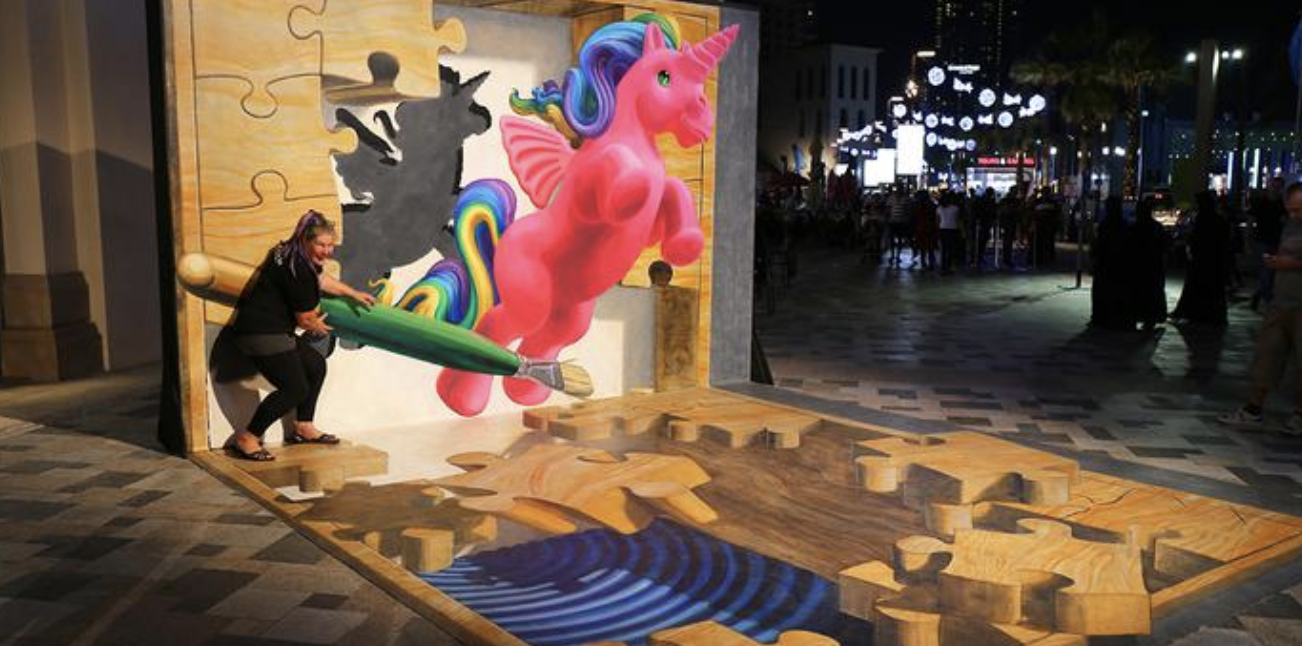



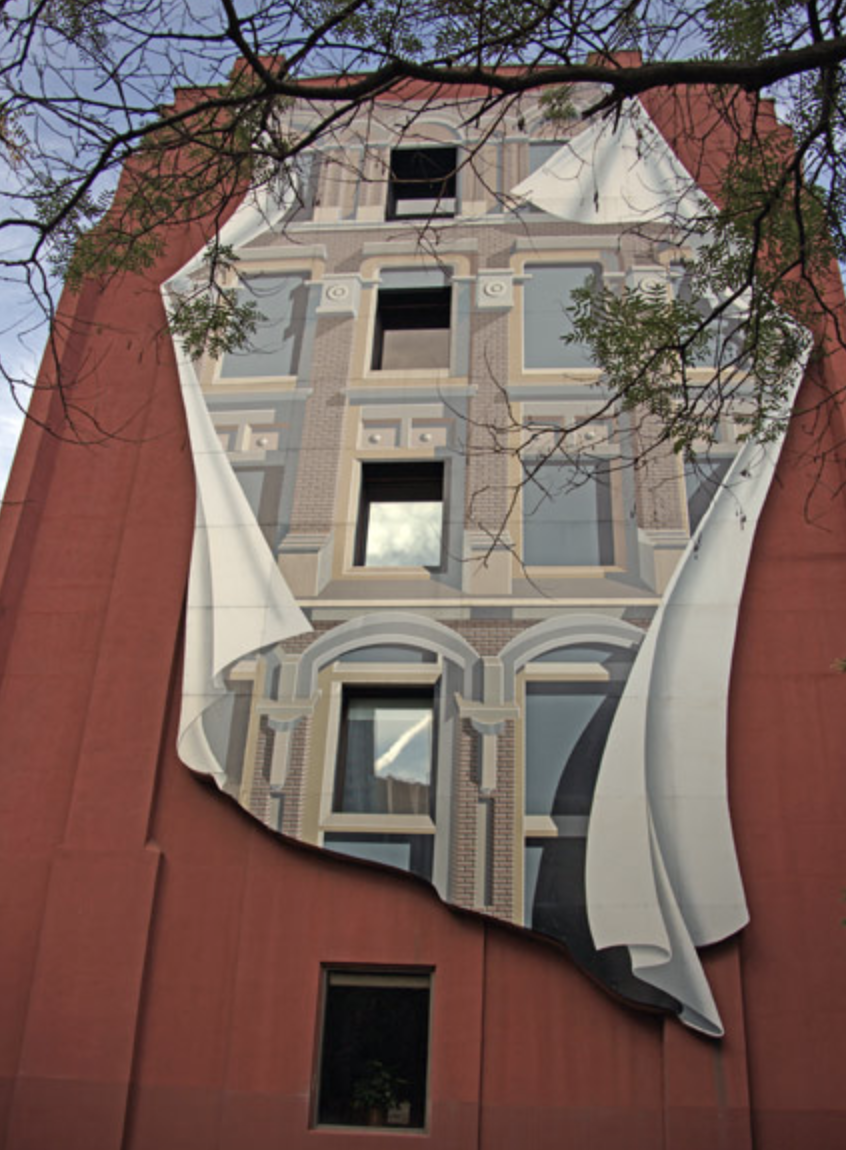

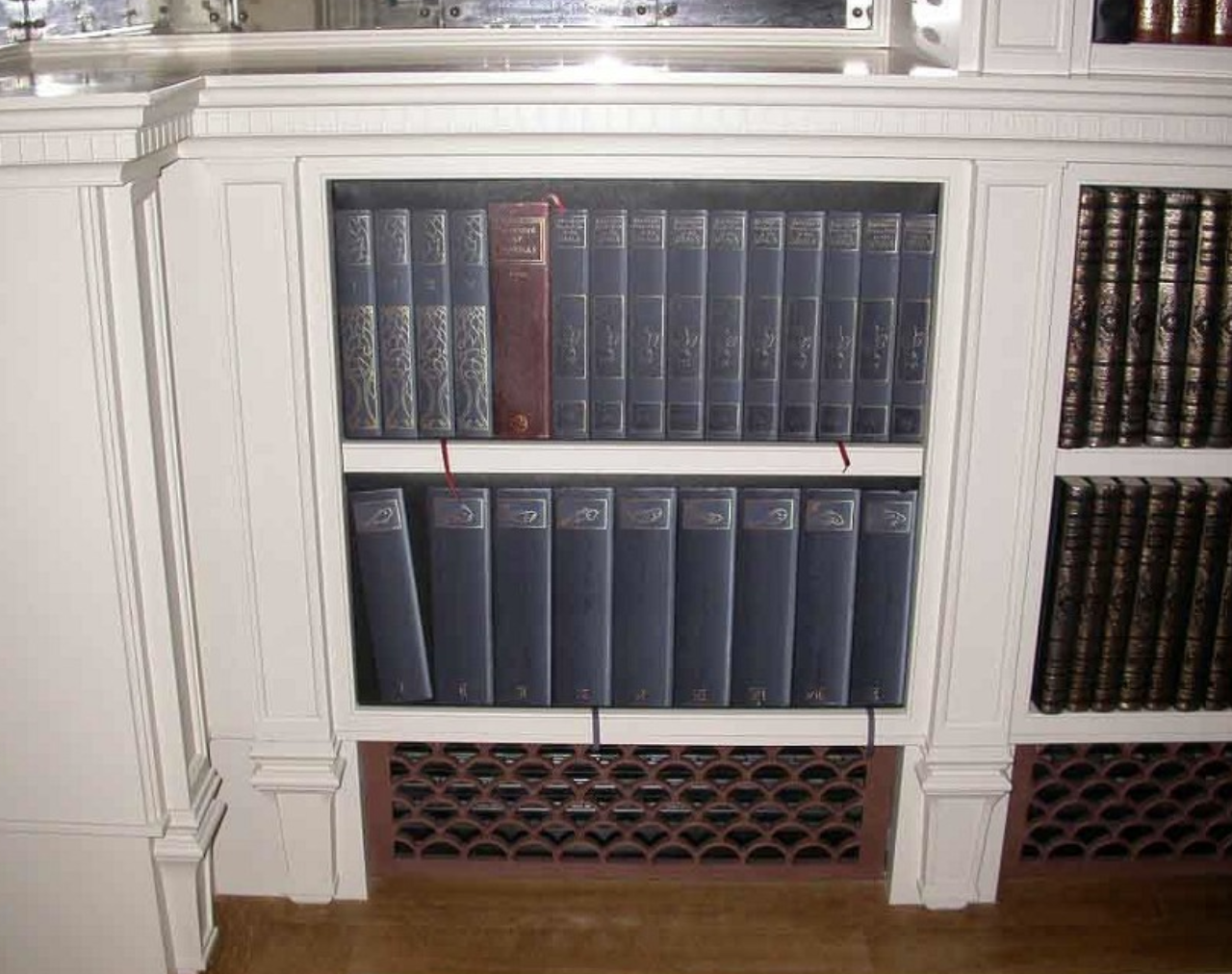



Designing window displays is like creating content. If you write a formulaic blog post packed with clichés, it won’t resonate with your audience. Similarly, if you plop a standard mannequin dressed in a seasonal outfit in your window display, it won’t persuade anyone to shop at your store.
Nowadays, no matter what industry you work in, most marketers generally use the same tactics. Almost every brands' creative work blends in with each other, making them unable to grab attention.
To effectively engage people, you must stick out from the crowd. But what’s the best way to do so?
A powerful way to differentiate your brand is by telling compelling stories. Even though it’s a buzzword as old as the advertising industry itself, storytelling is a timeless skill. Neuroscience proves that it’s the best way to capture people’s attention, bake information into their memories, and forge close, personal bonds. We’re programmed to pay our undivided attention to a great story -- that’ll never change.
And for this very reason, we decided to highlight the visual merchandising examples that tell the some of the most captivating stories in retail. These businesses are able to pull their audience into a story and evoke certain feelings and emotions that consumers associate with their brand, driving them to not only visit their store, but also buy their products.
Visual merchandising uses displays, 3D spaces, and floor plans to create an environment that highlights a product’s or service’s appearance, features, and benefits by appealing to one or more of the five human senses, most commonly sight. It’s often used in stores, but it can also be used online.

Image Credit: Pinterest
Even though this exhibit at Seneca College’s Redefining Design doesn’t have any mannequins, it can still tell a vivid story by grouping the perfect elements of a stylish outfit together.
For instance, when you first look at this display, you might start to visualize a suave professional strolling through the airport, on his way to catch a flight for an important meeting. Eventually, this story, which is only told through clothes, wooden boards, and rope, completely pulls you in, making you envision yourself as this suave professional and stimulating your desire to buy the entire outfit.

Picture Credit: Pinterest
Most people aspire to transcend their current identity and lives -- that’s why everyone loves superheroes. Spiderman and Wonder Woman are normal people during the day, just like us, but when night falls or duty calls, they transform into someone much greater -- a powerful being who can fend off the evilest of criminals, protect their city, and save their fellow citizens' lives.
Bertuli, a menswear retailer, understands our desire to transcend our current selves. And by displaying an outfit with a Batman shadow, they convey to potential customers that wearing their clothes will enable their customers to channel their inner-Batman.

Image Credit: Pinterest
Most brands that leverage visual merchandising are B2C companies, but that doesn’t mean B2B companies can’t do the same. Hans Boodt Mannequins, who manufacture life-like mannequins, market their products by designing their own window displays.
Their visual merchandising example above reminds me of a touching scene from The Pursuit of Happyness, where Chris Gardner finds out he landed a job and can finally lift his family out of the depths of poverty. Gratefully celebrating on the sidewalk, you can feel the overwhelming amount of happiness he’s experiencing. It even makes you feel happy too.
After looking at the display window above, brands should feel confident that incorporating Hans Boodt’s mannequins into their own visual merchandising can also evoke the same type of emotion in their customers.

Image Credit: Pinterest
Hackett London, a formal menswear retailer, prides itself on the quality of their bespoke suits. And to prove they meticulously craft every single detail of their menswear, they cleverly show little figurines diligently tailoring one of their suits.
With this sharp window display, Hackett London communicates that anyone who buys one of their suits is guaranteed fashionable and quality menswear.

Image Interest: Pinterest
Connection, especially love, is the ultimate life goal for most humans. We’re biologically hardwired to search for it. And Isabel Marant, a French fashion house, definitely knows that selling the feeling of love is the best way to sell their clothing.
By draping their dresses from pictures of happy couples embracing each other, they can successfully sell the feeling of being loved, along with their product.

Picture Credit: Pinterest
There’s a reason people say it’s dangerous to go to IKEA. Once you enter one of their stores, it’s almost impossible to leave without losing a big chunk of your day. Each store has multiple levels of fun and inspiring showrooms, so it’s hard to go home when you feel like you’re exploring a modern mansion.
But hours don’t whiz by at IKEA because it reminds people of their utopian dream home. It's because each showroom is designed with affordable IKEA furniture. This makes modeling your house after a showroom a realistic possibility -- and it convinces many homeowners to buy IKEA’s furniture.

